
Further Hobbling the U.S. Housing Market in 2026
The Federal Reserve’s decision to raise interest rates for the first time in three years is adding fresh pressure to the U.S. housing market, increasing the cost of borrowing for consumers while adding to already severe affordability challenges. Higher Fed rates can push up borrowing costs for products such as home-equity lines of credit and other variable-rate loans, while expectations for persistently higher interest rates can keep fixed mortgage rates elevated. At the same time, the inflationary shock from the Iran war and its impact on global oil prices is creating another potential obstacle to lower borrowing costs.
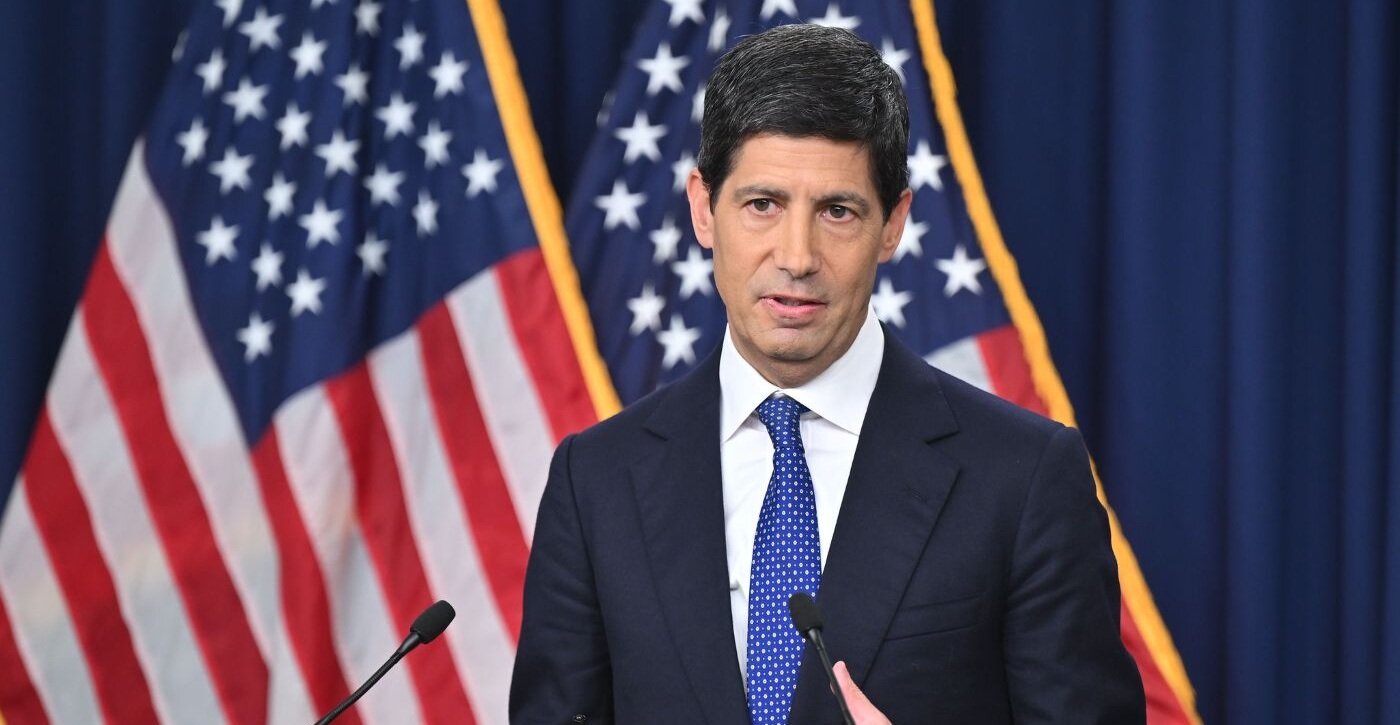
Under new Federal Reserve Chairman Kevin Warsh, the Federal Open Market Committee voted unanimously Wednesday to raise its benchmark federal funds rate by a quarter percentage point to a range of 3.75% to 4%. The Fed said inflation remains elevated and that the policy action is intended to support a timelier return to its 2% inflation goal.
For American households, the combined effect is significant: financing a home, refinancing an existing mortgage or tapping home equity can become more expensive, reducing purchasing power at a time when home prices remain elevated. The result is a housing market in which buyers may be able to afford less housing for the same monthly payment, while existing homeowners with much lower mortgage rates have a financial incentive to stay put.
The conflict involving Iran has contributed to a sharp rise in global oil prices and increased concerns about the inflation outlook. Higher energy costs can feed to gasoline, transportation, manufacturing and other consumer prices, potentially making it more difficult for inflation to return quickly to the Fed’s 2% target.
The Fed’s latest economic projections underscore that concern. Officials raised their median projection for 2026 PCE inflation to 3.7%, up from 3.6% in June, while raising the median year-end federal funds rate projection to 4.1% from 3.8%.

Dr. Lawrence Yun
Dr. Lawrence Yun, Chief Economist and Senior Vice President of the National Association of Realtors, said: “Average mortgage rates rose from 6% in late February to 7% this week, ahead of the Federal Reserve’s first rate hike in three years today. That’s because inflation picked up after the oil price shock and continuing concerns about unconstrained inflation. The whopping, still-growing federal deficit does not help, as more government borrowing means less capital available to the private sector, including for mortgages.
Mortgage rates can come down once oil prices retreat and with a credible plan to reduce the budget deficit. Also, if AI technology boosts worker productivity, then inflation and long-term borrowing rates, like for mortgages, can decline. These developments are highly uncertain, at least in the upcoming months. Expect 7% as the new normal. Job additions will be the one factor that can support homebuying.”

Mike Fratantoni
Mike Fratantoni, Senior Vice President and Chief Economist at the Mortgage Bankers Association, said: “Markets were almost certain that the FOMC would hike rates at its September meeting. With a unanimous vote, the FOMC met this market expectation with a 25-basis-point hike.
“The most recent inflation data remain well above the Fed’s 2 percent target, and consumer expectations about future inflation have increased, indicating that the pickup in inflation is likely to persist.
“The September round of projections from FOMC members showed similar expectations for economic growth and the unemployment rate, but a somewhat higher path for inflation and a higher path for the fed funds rate target than had been previously indicated.
“Longer-term rates, including mortgage rates, had already baked in the expectation of hikes at this and future meetings. Thus, longer-term rates have not moved much in response to this news.
“Housing and mortgage activity slowed abruptly as mortgage rates moved higher over the past several weeks. MBA forecasts two additional hikes from the Fed over the next year and expects mortgage rates to stay near current levels over the forecast horizon.”
The distinction is important for housing. The Fed’s benchmark rate does not directly determine the rate on a 30-year fixed mortgage. Fixed mortgage rates are driven more heavily by longer-term market rates, inflation expectations and conditions in the mortgage market. Variable-rate products such as many HELOCs, however, are more directly affected by changes in short-term interest rates.
For homebuilders and developers, higher financing costs can also increase the cost of acquiring land, funding construction and carrying inventory. For homeowners who locked in mortgages at substantially lower rates in previous years, higher borrowing costs can reinforce the incentive to remain in their existing homes rather than sell and take on a new mortgage.
The housing market therefore faces a difficult combination: elevated home prices, mortgage rates near 7%, higher costs for variable-rate borrowing and renewed inflation pressure tied in part to higher energy prices. If the conflict involving Iran keeps oil prices elevated, it could prolong inflationary pressure, keeping interest rates and mortgage borrowing costs higher for longer.
Sign Up Free | The WPJ Weekly Newsletter
Relevant real estate news.
Actionable market intelligence.
Right to your inbox every week.
Real Estate Listings Showcase
Please visit:
Our Sponsor
