Higher Mortgage Rates Keep Housing Market Sluggish
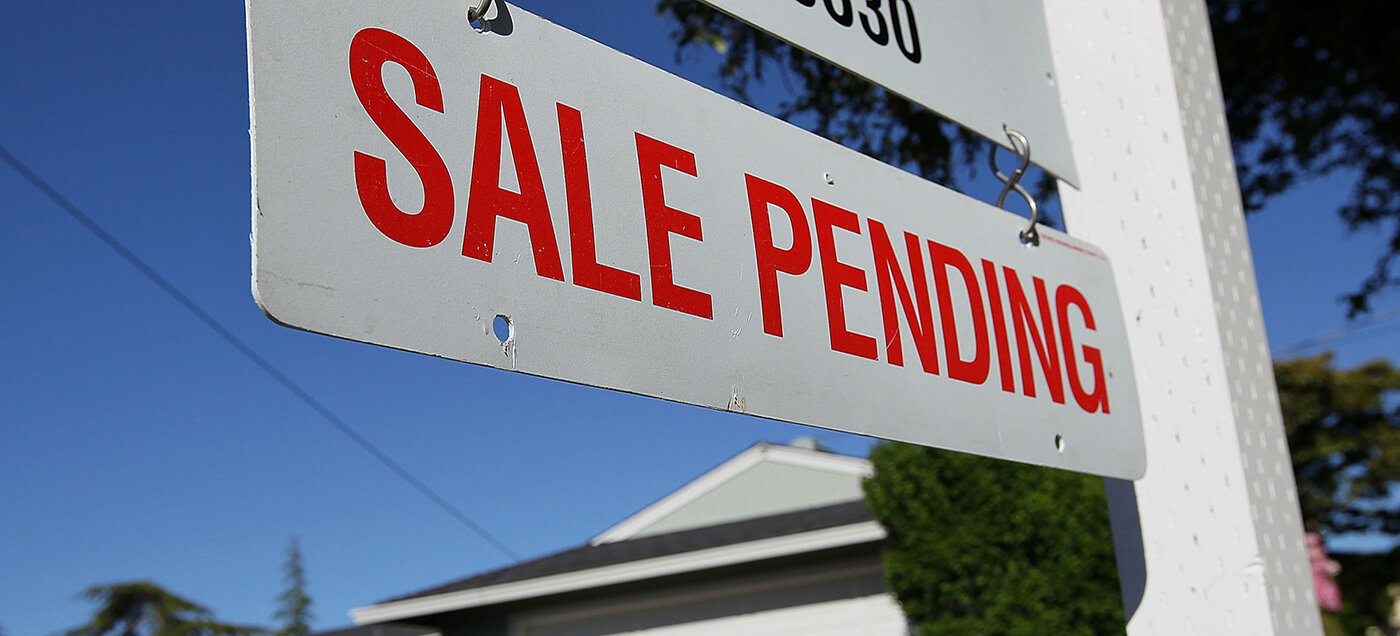
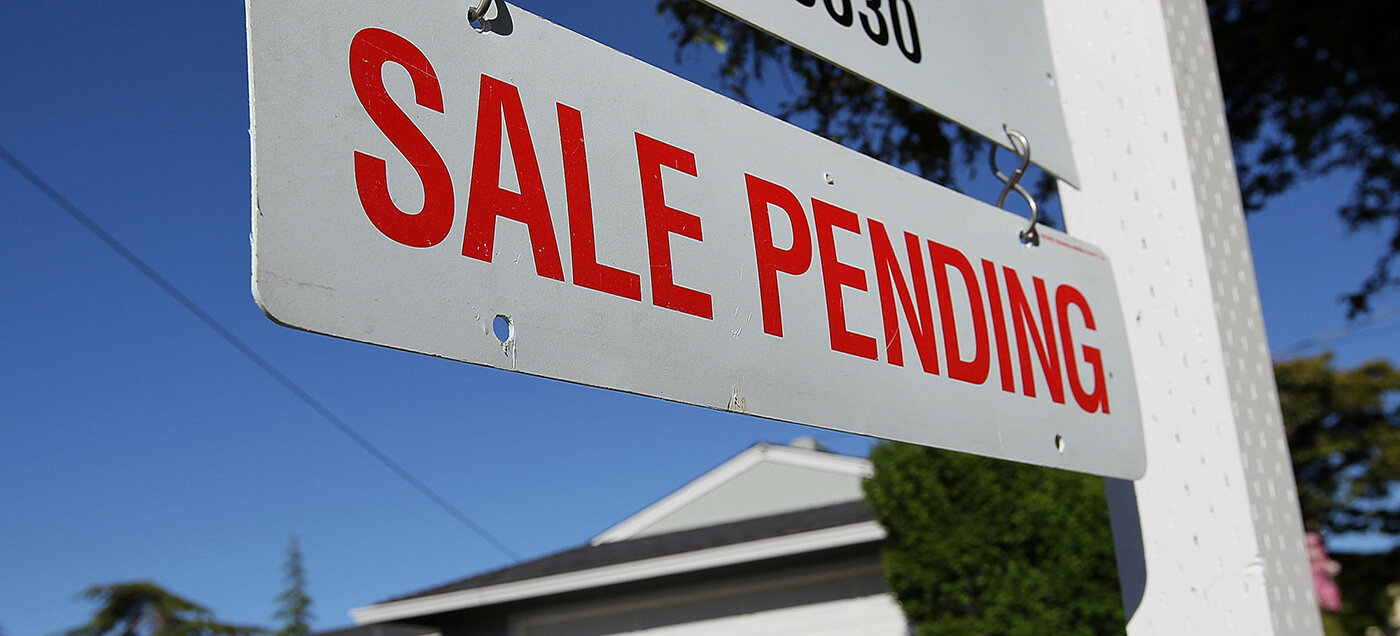
Contracts to buy previously owned homes edged higher in August, offering a modest sign of resilience in the U.S. housing market even as elevated mortgage rates continued to weigh on demand.
The National Association of Realtors’ Pending Home Sales Index rose 0.3% in August from July to 71.2, but remained 4.7% below August 2025, according to data released Thursday. The index tracks signed contracts for existing homes before transactions close and is generally viewed as a leading indicator of home sales in the months ahead.
The August increase came after a 2.3% decline in July and was weaker than the gains typically associated with a sustained housing-market recovery. Pending sales have remained near historically depressed levels as elevated borrowing costs continue to constrain affordability.

Lawrence Yun
“Buyers steadily entered into contracts in August even though mortgage rates increased,” NAR Chief Economist Lawrence Yun said. “However, the housing market is still sluggish, with contract signings below last year.”
Yun said higher mortgage rates are offsetting some of the increased purchasing power generated by job gains and income growth that has outpaced home-price appreciation.
The national index of 71.2 remains roughly 30% below the level of contract activity recorded in the years preceding the pandemic, according to Yun. Transaction activity peaked in 2021, when 30-year mortgage rates fell to near 3%, and has not returned to those levels since.
Regional Divide
The national increase masked a sharp geographic split.
Pending sales rose 2.3% in the South and 3.0% in the West from July, while contract signings fell 4.2% in the Northeast and 1.6% in the Midwest. The regional indexes stood at 86.2 in the South, 54.3 in the West, 61.6 in the Northeast and 72.1 in the Midwest.
Compared with a year earlier, pending sales declined in every major region. The West posted the largest annual decline, down 6.7%, followed by the Midwest at 4.9%, the Northeast at 3.9% and the South at 3.8%.
Yun said the Northeast and Midwest experienced some of the fastest home-price growth in August, which he cited as one factor behind the steeper declines in contract signings in those regions.
Mortgage Rates Remain a Drag
Higher mortgage rates remain one of the principal obstacles facing prospective buyers.
The average 30-year fixed mortgage rate reached 6.76% in the week covered by the latest Freddie Mac data, its highest level in more than a year, according to Reuters. Mortgage rates have risen alongside longer-term Treasury yields, adding to the cost of financing a home.
The combination of high home prices and elevated borrowing costs has continued to limit purchasing power even as wages have risen. NAR reported that the median existing-home sales price increased 1.6% from a year earlier in August to $429,100.
At the same time, the supply of homes available for sale has improved. NAR reported that the inventory of existing homes reached 1.62 million in August, equivalent to 4.9 months of supply, the highest level in more than a decade.
That additional inventory is giving some buyers more room to negotiate, although financing costs remain a significant constraint on demand.
Some Markets Buck the National Trend
Despite the national decline in pending sales from a year earlier, several large metropolitan areas recorded increases.
Among the 50 largest U.S. metropolitan areas, Richmond, Virginia, recorded the largest annual increase, with pending sales rising 11.3%. San Antonio-New Braunfels, Texas, followed with a 6.6% increase, while Memphis, Tennessee-Mississippi-Arkansas, rose 6.4%.
Other metros posting annual gains included Virginia Beach-Chesapeake-Norfolk, Cincinnati, Austin-Round Rock-San Marcos, Birmingham, Sacramento-Roseville-Folsom, Indianapolis-Carmel-Greenwood and St. Louis.
The variation underscores the increasingly regional nature of the housing market, with affordability, inventory, employment conditions and home-price growth producing different outcomes across the country.
Housing Recovery Remains Uneven
Pending home sales typically precede completed transactions by one to two months, making the August reading an early indication of the direction of existing-home sales heading into the fall.
The modest monthly increase suggests that buyers have not completely retreated from the market despite higher financing costs. But the 4.7% annual decline and the index’s continued distance from pre-pandemic levels point to a housing market that remains constrained.
For now, the data show a market caught between improving supply and affordability pressures on one side and elevated mortgage rates and home prices on the other. Until borrowing costs ease materially or household purchasing power improves further, the pace of home transactions is likely to remain well below the levels seen during the housing boom of the early 2020s.
Sign Up Free | The WPJ Weekly Newsletter
Relevant real estate news.
Actionable market intelligence.
Right to your inbox every week.
Real Estate Listings Showcase
Please visit:
Our Sponsor
