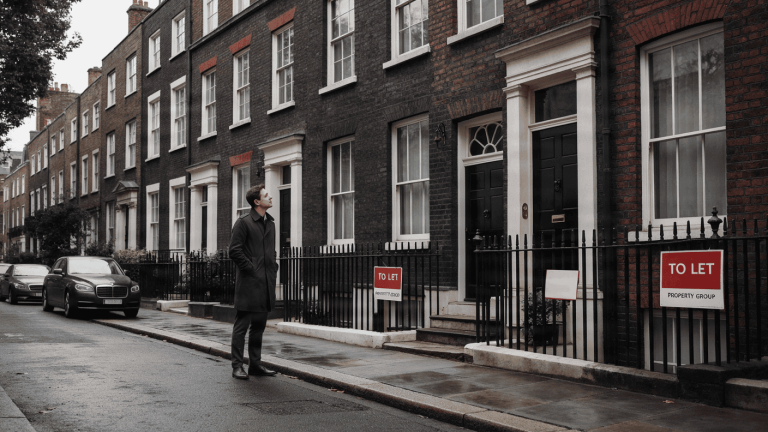

Law Challenges Broker Private Listing Networks and Platforms
New York is moving to make residential real estate listings more accessible to the public, enacting legislation that establishes public marketing as the default and places new restrictions on properties circulated exclusively through private or limited-access listing networks.

Governor Kathy Hochul
Governor Kathy Hochul signed the Fair and Transparent Real Estate Listings Act on November 20, 2026, enacting Assembly Bill A10679-B, also known as Senate Bill S10274, as Chapter 395 of the Laws of 2026. The legislation amends New York’s Real Property Law to establish public marketing requirements for residential properties offered for sale or lease, subject to the law’s provisions and applicable opt-out requirements.
The law represents a significant policy shift in the state’s approach to residential listing distribution, addressing a longstanding industry debate over private listings, brokerage-exclusive marketing and whether restricting property exposure can undermine competition, consumer choice and price discovery.
Rather than banning private listings outright, New York’s legislation establishes a framework intended to make public exposure the standard, while requiring property owners to acknowledge in writing the potential consequences of withholding their listings from the broader marketplace.
Public Property Marketing Becomes the Default
Under the legislation, residential properties offered for sale or lease generally must be advertised or marketed through qualifying channels accessible to the public and licensed real estate professionals representing prospective buyers or tenants.
The law addresses marketing channels that restrict access based on brokerage affiliation, franchise membership, payment requirements or participation in select networks.
Listing agents must comply with the public marketing requirements established by the law unless the applicable statutory opt-out provisions are satisfied.
The legislation directly addresses practices that can place properties behind brokerage-controlled channels, including private listing networks and other restricted-access platforms that limit the circulation of property information.
Its central premise is that residential inventory should be visible to a broader pool of prospective buyers and tenants unless an owner makes an informed decision to restrict exposure under the law.
Addressing the Growing Debate Over Private Listings
Private listing networks have become an increasingly prominent feature of residential real estate marketing, allowing brokerages and agents to circulate properties among selected audiences before or instead of making them broadly available online.
Supporters of private marketing argue that it can provide sellers with privacy, flexibility and the ability to test demand without immediately exposing a property to the full public marketplace. Critics, however, contend that restricted distribution can limit buyer discovery, reduce competitive bidding opportunities and create an uneven playing field for consumers who lack access to particular brokerage networks.
New York’s legislation addresses that tension directly.
The legislative findings supporting A10679-B identify the risks associated with properties withheld from broadly accessible platforms, including diminished buyer competition, potentially lower proceeds for sellers and landlords, and the possibility that restricted access to listings may exacerbate housing inequities.
The law’s approach is not to eliminate private marketing, but to make restricted exposure an informed choice rather than a default listing strategy.
Sellers and Landlords Retain the Right to Opt Out
Property owners can still choose to restrict public marketing under the legislation.
However, listing agents must provide a standardized state disclosure form explaining the potential consequences of limiting a property’s exposure. The seller or landlord must sign the form expressly directing the agent not to publicly market the property, as prescribed by the Department of State.
The disclosure is intended to explain the risks and tradeoffs of withholding a listing from public marketing, including the potential effects on exposure, buyer competition and the property’s sale or lease prospects.
Agents must retain the signed documentation for at least three years and make it available to the New York Department of State upon request.
The legislation does not require sellers or landlords to hold open houses or permit showings that violate their rights under state or federal law, including protections relating to health, safety and security.
A Potential Shift in Competitive Access to Housing Inventory
The law could have implications beyond New York’s brokerage industry, particularly for online real estate marketplaces, listing aggregators, property search platforms and technology companies competing to connect housing supply with consumer demand.
By establishing public exposure as the standard, the legislation reinforces the value of broadly accessible property information and may encourage greater distribution of listings across platforms that serve consumers independently of brokerage affiliation.
For buyers and tenants, broader listing access could improve the ability to discover available properties, compare alternatives and evaluate the marketplace without relying exclusively on relationships with specific agents or brokerages.
For sellers and landlords, expanded visibility may increase the potential pool of interested parties, although the law does not guarantee additional offers, higher prices or faster transactions.
The policy also places greater emphasis on transparent listing practices, potentially challenging business models that depend on keeping residential inventory within proprietary or selectively accessible networks.
Enforcement and Implementation
The legislation amends New York’s real estate licensing framework to incorporate enforcement provisions for violations of the new requirements. Licensees may face disciplinary action, including fines of up to $5,000, as well as other applicable licensing sanctions.
The law was signed on November 20, 2026, as Chapter 395. Implementation and regulatory guidance will determine how its provisions are applied in practice.
A Broader Movement Toward Listing Transparency
New York’s enactment adds momentum to a broader national debate over the role of private listing networks and the accessibility of residential real estate information.
As housing marketplaces become increasingly digital, access to inventory has become an important competitive issue among brokerages, listing platforms, technology companies and consumers. The New York law places the state on the side of broader public visibility while preserving a documented path for property owners who choose privacy.
The legislation establishes a clear policy direction: residential property listings should generally be accessible to the public, and restricting that access should be the informed choice of the property owner rather than an undisclosed or default marketing arrangement.
Sign Up Free | The WPJ Weekly Newsletter
Relevant real estate news.
Actionable market intelligence.
Right to your inbox every week.
Real Estate Listings Showcase
Please visit:
Our Sponsor