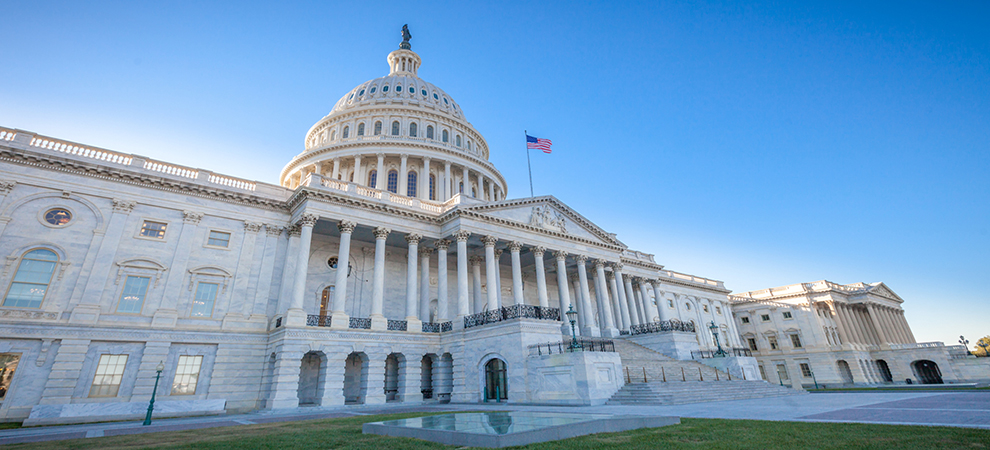
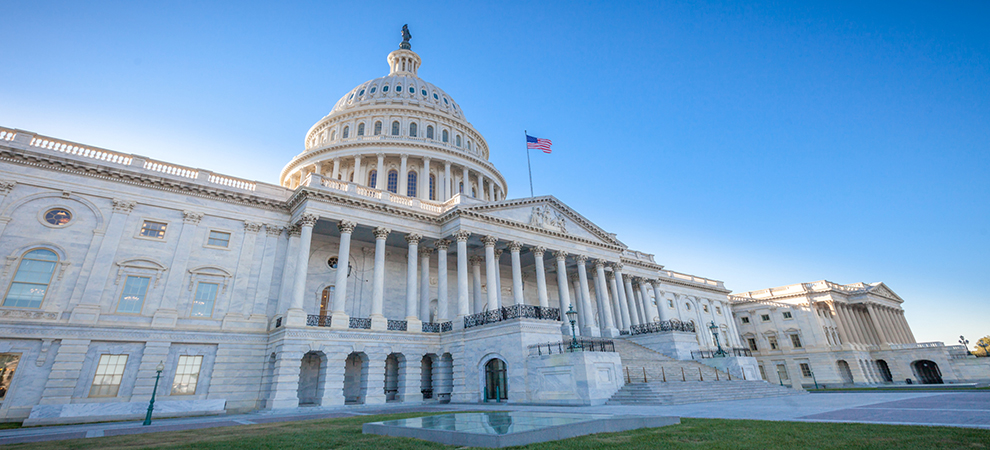
U.S. home builders pressed lawmakers on Tuesday to roll back what they describe as a growing web of federal regulations that they say is exacerbating the nation’s housing affordability crisis by constraining supply and inflating construction costs.
Appearing before a congressional panel focused on housing affordability, National Association of Home Builders Chairman Buddy Hughes argued that regulatory compliance — spanning energy standards, environmental permitting and labor rules — has become one of the largest cost drivers in residential construction, particularly for smaller builders.
“Regulation has quietly become a tax on housing,” Hughes told lawmakers, warning that cumulative mandates are limiting the industry’s ability to scale production at a time when demand continues to outstrip supply.
According to NAHB estimates, government regulations account for roughly a quarter of the cost of a newly built single-family home and more than 40% of the cost of a typical apartment development. Those costs, Hughes said, are ultimately passed on to buyers and renters, further pricing households out of the market.
Builders singled out federal energy-efficiency requirements as among the most burdensome. An April 2024 determination by the Department of Housing and Urban Development and the Department of Agriculture requires new single-family and multifamily homes financed through the agencies to meet the 2021 International Energy Conservation Code or the ASHRAE 90.1-2019 standard. The effective date of the rule has been delayed until May 2026 under the Trump administration.
NAHB contends that the standards significantly increase upfront construction costs while delivering limited financial benefits to consumers. Citing industry-backed studies, Hughes said compliance with the 2021 energy code can add as much as $31,000 to the price of a new home, with energy savings that could take decades to offset the initial expense.
“In the middle of a nationwide affordability crisis, increasing the cost of housing through federal mandates is counterproductive,” Hughes said, urging Congress to block HUD and USDA from enforcing minimum energy standards that raise prices. He also called on lawmakers to preserve state and local control over building code adoption, noting that most states have not embraced the federal standards.
Beyond energy rules, NAHB flagged what it characterized as costly delays tied to federal environmental reviews under the Clean Water Act and Endangered Species Act, along with labor regulations and other HUD policies that builders say slow project timelines and add uncertainty.
Housing affordability has emerged as a bipartisan concern on Capitol Hill, as elevated mortgage rates and years of underbuilding have pushed home prices and rents to record levels in many markets. Economists broadly agree that increasing housing supply is critical to easing cost pressures, though lawmakers remain divided over the appropriate balance between deregulation, environmental goals and consumer protections.
NAHB said it is seeking to work with Congress and the administration on what it calls “sensible regulatory reforms” aimed at lowering costs and accelerating production of entry-level and workforce housing.
“The industry can build more attainable housing,” Hughes said, “but only if the regulatory environment allows it to do so.”
Sign Up Free | The WPJ Weekly Newsletter
Relevant real estate news.
Actionable market intelligence.
Right to your inbox every week.
Real Estate Listings Showcase
Please visit:
Our Sponsor
