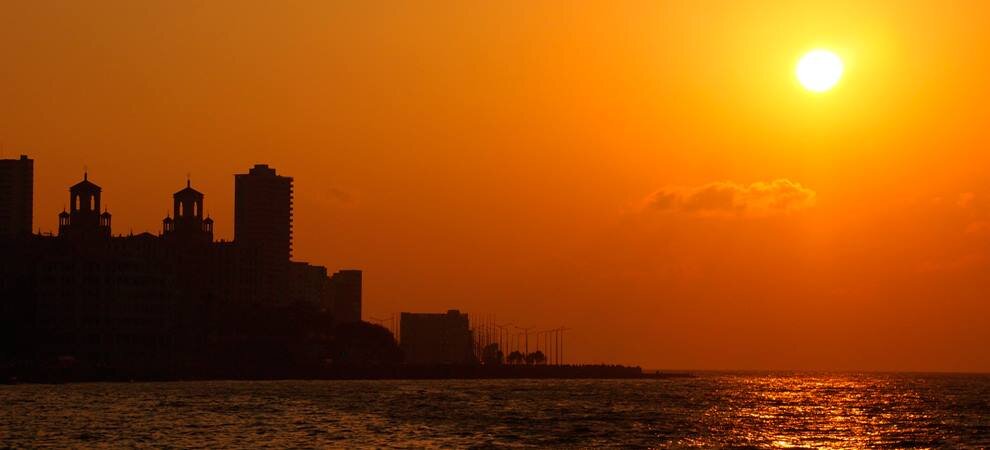
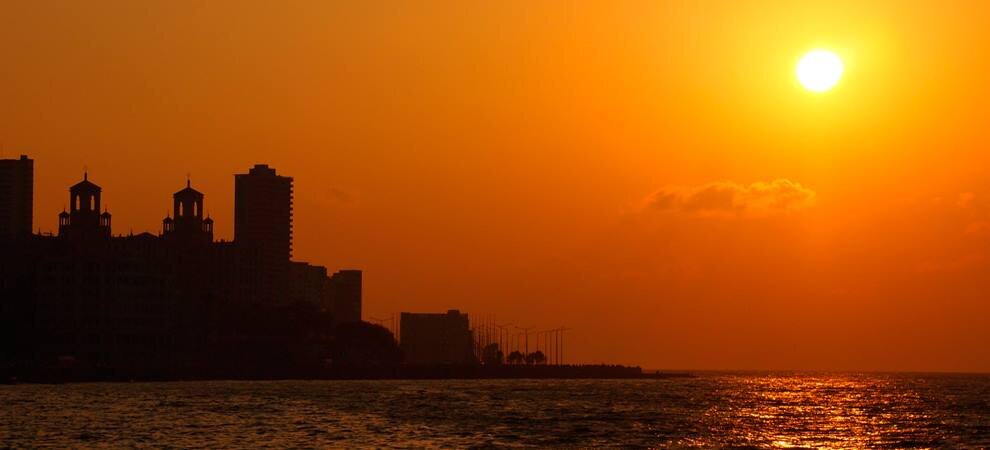
Cuba’s once‑strong tourism industry — long one of the island’s biggest economic pillars — is now facing a serious downturn. At the same time, recent geopolitics, including the United States’ surprise military operation that captured Venezuelan President Nicolás Maduro, have thrown fresh uncertainty into U.S.-Cuba relations and the broader strategy across the Western Hemisphere.
Tourism arrivals to Cuba have fallen sharply from pre‑pandemic levels. In 2024, the island reported roughly 2.2 million international visitors, the lowest total in nearly two decades and well below its own target of 3.2 million. Early 2025 data show continued softness, with arrivals through May down about 20 percent year‑over‑year and hotel occupancy languishing near multi‑year lows for peak season. These declines have hit foreign‑exchange earnings at a critical time — Cuba continues to grapple with inflation, supply shortages and intermittent power outages.
Economists say tourism accounts for a big chunk of Cuba’s hard‑currency income, and weaker performance has contributed to broader deficits and pressure on state budgets. Canadian, Russian and European travelers still far outnumber those from the United States, where travel restrictions remain in place, meaning the recovery has been uneven.
The tourism downturn comes alongside a dramatic shift in U.S. posture following the military operation that overthrew Maduro and brought him to New York to face federal charges — a move the U.S. frames as part of its broader push to counter leftist governments.
At a recent press conference, President Donald Trump said the United States might soon turn its attention to the situation in Cuba, comparing the island’s condition to Venezuela’s struggles and emphasizing support for the Cuban people. “I think Cuba is going to be something we’ll end up talking about, because Cuba is a failing nation right now, a very badly failing nation, and we want to help the people,” Trump said. He added that the U.S. wants to help both people living on the island and Cuban immigrants in the United States.
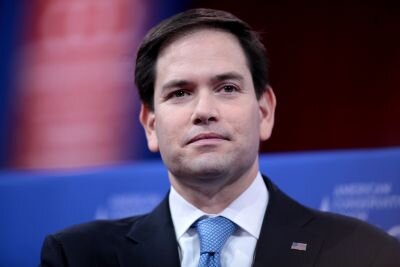
Secretary of State Marco Rubio
Secretary of State Marco Rubio, a Cuban-American, backed up that message on Meet the Press, warning that the Cuban government is in serious trouble following the Venezuela operation. “I think they’re in a lot of trouble,” Rubio said when asked whether Cuba could be the administration’s next focus. “We are not big fans of the Cuban regime,” he added, noting Cuba’s historical support for Maduro and the interlinked security apparatus.
Cuban officials have vehemently rejected the U.S. framing. President Miguel Díaz‑Canel condemned the U.S. operation against Venezuela as “state terrorism,” warning that disruptions to Venezuelan oil — a lifeline for Cuba’s fragile energy sector — could deepen instability on the island.
Tourism stakeholders and economists argue that Cuba’s recovery — and any future surge in international visitors — hinges on far‑reaching political and economic reforms. Even before the recent geopolitical escalation, the sector faced structural headwinds: outdated hotels, an unreliable power supply, limited air connectivity, and an economic model with minimal private participation in critical niches like boutique hotels, paladares (independent restaurants) and casas particulares (licensed homestays).
Regional competitors have seized the post‑pandemic rebound more successfully. The Dominican Republic and Mexico’s Caribbean destinations each attracted well over 10 million visitors in recent years, drawing investment that upgraded infrastructure and expanded connectivity, while Cuba’s share of global travel demand lagged.
Analysts say unlocking Cuba’s tourism potential would require lifting U.S. travel restrictions, expanding regulatory space for private enterprise, and making huge investments in energy grids and digital connectivity to support higher volumes of international visitors. Some see pent‑up demand from U.S. leisure travelers for Cuba’s cultural heritage, beachfront resorts and historic urban landscapes; others caution that political tensions could deter investors and visitors until diplomatic relations stabilize.
There’s also a major upside. If President Trump and the U.S. succeed in liberating Cuba’s people from the current Communist leadership, analysts predict a strong tourism rebound, with massive new investment dollars from American companies and developers pouring in to revitalize hotels, resorts, and infrastructure. The combination of political change and private-sector capital could turn Cuba into one of the hemisphere’s hottest destinations almost overnight.
Cuba’s tourism industry now stands at a pivotal crossroads, caught between immense economic opportunity and escalating geopolitical tension. Current data show a sector still shrinking, even as Washington’s pointed rhetoric toward Havana — amplified by statements from Trump and Rubio — underscores just how closely the island’s tourism fortunes are tied to the broader trajectory of U.S.-Latin America policy. The coming months could determine whether Cuba’s struggling tourism sector continues its decline or experiences a dramatic multi-billion-dollar resurgence under new government leadership.
Sign Up Free | The WPJ Weekly Newsletter
Relevant real estate news.
Actionable market intelligence.
Right to your inbox every week.
Real Estate Listings Showcase
Please visit:
Our Sponsor
