Executive Summary (TL;DR)
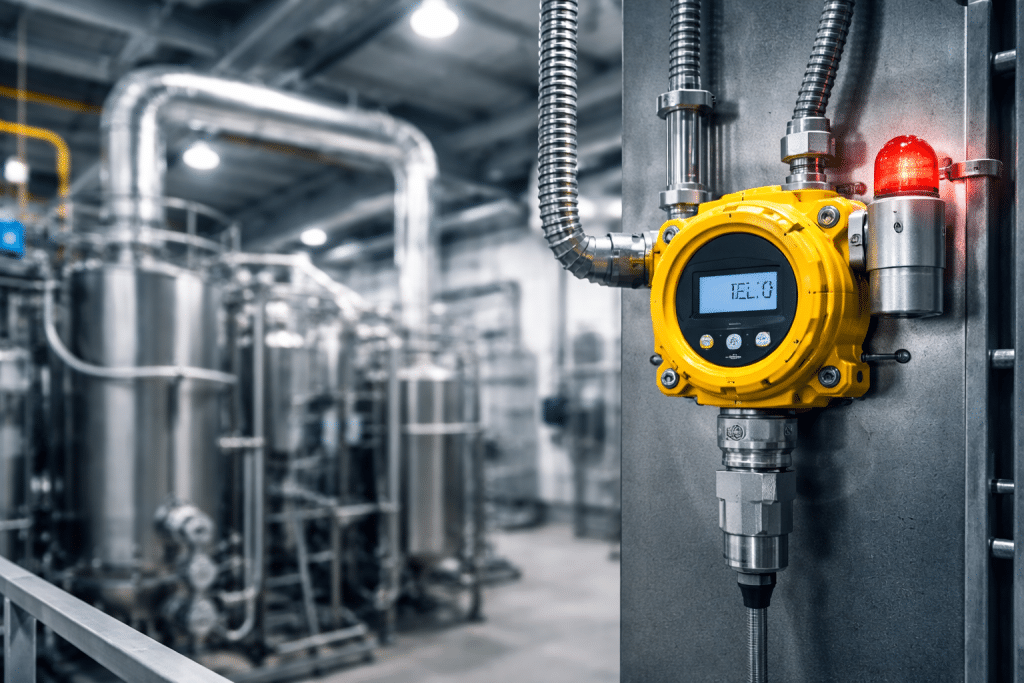
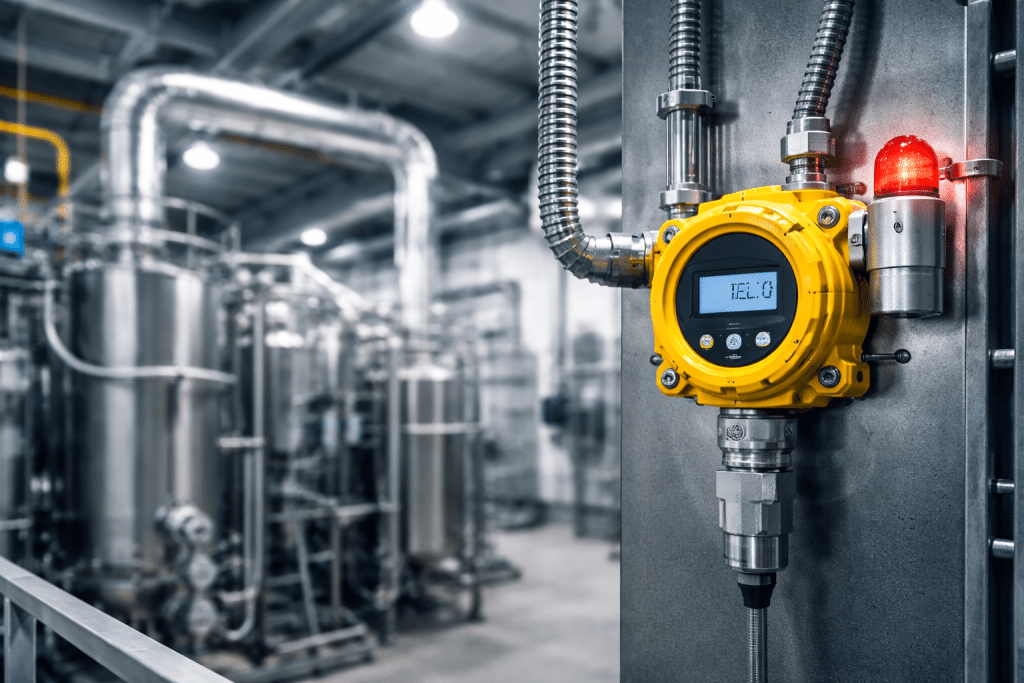
- If you’re buying, leasing, or selling a cannabis manufacturing or extraction facility, c1d1 gas detection (Class I, Division 1) is often a “go/no-go” compliance item that can materially change capex, timeline, and closing risk.
- A credible system is more than sensors: it’s hazardous area classification, alarm/shutdown logic, ventilation integration, documentation, and maintenance records that stand up to inspectors and insurers.
- Buyers/investors should underwrite gas detection like a core asset—verify listings/certifications, commissioning, calibration logs, and “cause & effect” control sequences before finalizing an LOI (letter of intent).
- Sellers can protect price and reduce retrades by packaging gas detection documents in a data room and addressing gaps before going to market.
- The fastest path to clarity is a targeted diligence sprint with the right professionals: compliance, electrical, mechanical, and fire-code stakeholders.
Table of Contents
- Executive context: why it matters now
- C1D1 gas detection basics (Class/Division, Zones, and what “classified” means)
- Sensors + controls: how real systems work (and fail)
- Maintenance + documentation: the difference between “installed” and “defensible”
- What buyers/investors should do next
- What sellers should do next
- Valuation lens: pricing, terms, and capex risk
- Deal process overview: NDA → LOI → diligence → close
- Due diligence checklist (table)
- Myth vs. fact
- Decision matrix (table)
- 30/60/90 execution plan
- CTA: next steps on 420 Property
Why this matters now (and why it’s not just an engineering detail)
In cannabis M&A and cannabis real estate, “the building” and “the business” are often inseparable. Extraction rooms, post-processing areas, solvent storage, and even certain cultivation practices (like CO₂ enrichment or fumigation) can introduce hazards that trigger classified-area requirements and gas detection expectations. That creates a unique deal dynamic:
- Compliance is transactional: if a facility can’t pass inspection, renew permits, or satisfy landlord/municipal conditions, revenue continuity and license usability are at risk.
- Capex surprises are common: retrofitting ventilation, electrical equipment ratings, control panels, and alarm/shutdown logic can be expensive and schedule-breaking.
- Documentation wins negotiations: buyers discount uncertainty; sellers get paid for defensibility.
If you’re actively evaluating extraction or processing opportunities, start by browsing facilities where classified-area buildouts are more likely to be present: cannabis manufacturing/processing businesses for sale.
C1D1 gas detection: what “classified” means in practice
C1D1 means Class I, Division 1—an area where flammable gases or vapors can be present under normal operating conditions, or where they may exist frequently because of repair, maintenance, leaks, or operations. By contrast, Class I, Division 2 (C1D2) generally implies flammables are handled in closed systems and would be present only under abnormal conditions (e.g., a leak).
A few practical implications for deal diligence:
- Hazard boundaries must be defined: a facility should have a hazardous area classification narrative and/or drawing showing where Division 1 vs. Division 2 applies (and where areas are unclassified).
- Equipment must match the classification: electrical devices, wiring methods, enclosures, and even some mechanical components may require appropriate ratings/listings for the specific environment.
- Gas detection is part of an engineered safety layer: it typically informs alarms, ventilation, emergency shutdown, and sometimes power control—depending on what the authority having jurisdiction (AHJ) requires.
Key takeaway for transactions: “It has sensors” is not the same as “It’s a compliant, commissioned system matched to a documented classified area.”
Sensors and controls: how defensible systems are actually built
Think of a serious system as four layers that need to align:
1) Sensing: what you detect (and why)
Common targets in cannabis facilities include:
- Combustible gas (LEL monitoring): used when flammable vapors are the primary risk driver (often relevant in hydrocarbon extraction contexts).
- CO₂ / oxygen depletion: relevant for cultivation enrichment, beverage-grade CO₂ storage, or certain fumigation practices.
- Refrigerants or other process gases: sometimes present in specialized HVAC/process environments.
Diligence lens: confirm the detection target matches actual operations, solvents, and storage practices today—not the seller’s original plan.
2) Placement: where sensors go (and how mistakes happen)
Sensor placement should reflect gas behavior (e.g., heavier-than-air vs. lighter-than-air), airflow patterns, and leak sources. In real life, poor placement is a top cause of “paper compliance” systems that don’t perform.
Look for:
- A placement plan tied to process equipment and ventilation/exhaust locations
- Notes on ceiling height, obstructions, and airflow
- Justification for coverage in the classified boundary
3) Logic and actions: alarms, interlocks, and shutdowns
A credible system defines:
- Alarm levels (warning vs. critical) and what triggers them
- Cause-and-effect: what happens when thresholds are reached (audible/visual alarms, fan ramping, equipment shutdown, valve closures, E-stop enablement, or power control)
- Fail-safe behaviors: what happens on sensor fault, controller fault, or loss of power/communications
Transactional relevance: buyers should treat the “cause & effect” document like a core diligence item, similar to a process flow diagram.
4) Integration: ventilation, power, and emergency readiness
For higher-risk rooms, gas detection frequently ties into:
- Mechanical ventilation and exhaust systems
- Emergency shutdown devices (E-stops)
- Building management systems (BMS) or standalone safety controllers
- Emergency power considerations (if required by local code or design basis)
Red flag: systems that alarm locally but do not meaningfully affect ventilation/shutdown logic—especially where the operational profile suggests they should.
Maintenance and recordkeeping: “installed” vs. “defensible”
From a buyer’s perspective, a system with missing maintenance history is often underwritten as a future replacement, even if it “seems to work.”
What strong records look like:
- Manufacturer cut sheets and listings/certifications for sensors/controllers
- Commissioning report (initial functional testing)
- Calibration and bump-test logs (frequency per manufacturer and/or AHJ expectations)
- Evidence of sensor replacement intervals, spares strategy, and firmware/control changes
- Service contracts and contact history with installers/maintenance vendors
Seller tip: assemble a single, dated PDF packet per room/area. Put it in the data room alongside permits, as-builts, and operating procedures.
What buyers/investors should do next
If you’re underwriting a facility where c1d1 gas detection may be relevant, focus on three outcomes: (1) compliance feasibility, (2) downtime risk, and (3) capex certainty.
On the first walkthrough (before spending heavily)
Ask for:
- Hazardous area classification drawing/report (C1D1/C1D2 boundaries)
- As-built electrical and mechanical plans for the affected areas
- Gas detection “cause & effect” narrative (what alarms do)
- Commissioning documentation and recent calibration logs
- Permit history and any AHJ sign-offs tied to extraction/processing buildouts
- A list of current processes/solvents in use (what’s actually happening today)
In LOI (letter of intent) drafting
Use structure to avoid “surprise” renegotiations:
- Condition precedent: satisfactory verification that the facility can continue operating as represented (or that a remediation plan is feasible in your timeline).
- Capex adjustment mechanism: purchase price adjustment or a repair credit if defined items are missing (e.g., expired permits, undocumented hazardous mapping, non-matching equipment ratings).
- Holdback/escrow: reserve funds for post-close remediation if you can’t fully verify during diligence.
During diligence (deep dive)
- Run a targeted QoE (quality of earnings) review to understand how downtime or compliance restrictions would hit cash flow.
- Validate equipment ownership and obligations: if sensors/controllers or ventilation upgrades were financed or leased, include a UCC (Uniform Commercial Code) / lien search and contract review.
- Confirm whether landlord approvals are required for hazardous operations, system modifications, or ongoing inspection access (landlord consent risk is real in leased facilities).
- Evaluate license pathway constraints: if the deal assumes continuing operations, verify whether license transfer/assignment is even allowed (rules vary widely by jurisdiction).
What sellers should do next
Sellers get rewarded for eliminating uncertainty.
Pre-market (30–45 days before launch)
- Commission a third-party walkdown to confirm system scope, placement, logic, and documentation gaps.
- Fix “cheap but scary” issues: missing labels, dead sensors, incomplete logs, undocumented controller changes, unknown alarm logic.
- Consolidate everything into a data room folder (organized by room/area).
Marketing package positioning
If you provide buyers with:
- Hazardous area classification documentation
- A maintenance log history
- Clear cause-and-effect logic
…you reduce buyer risk assumptions and expand your buyer pool (including more financeable or insurable profiles).
Transaction documents: reduce post-close friction
- Be precise in reps & warranties about what you know and what you’re not representing (e.g., you can represent “installed and operating as of X date,” but avoid overpromising on future AHJ outcomes).
- If buyer risk remains, consider sharing it with a seller note tied to objective milestones (e.g., completion of agreed remediation items).
Valuation lens: how gas detection impacts price and terms
Gas detection and classified-area compliance affects valuation through risk, capex, and continuity—not just “building quality.”
Here’s a practical way buyers often model it:
- Start with normalized EBITDA (earnings before interest, taxes, depreciation, and amortization) or SDE (seller’s discretionary earnings) depending on deal size and owner involvement.
- Identify compliance-driven adjustments:
- Capex to remediate detection/controls/ventilation/electrical ratings
- Downtime required for upgrades and re-inspection
- Insurance/landlord constraints that could restrict operations
- Convert uncertainty into deal structure: credits, holdbacks, or price adjustments.
Common pitfall: treating compliance spend as a simple one-time cost. In reality, ongoing calibration, sensor replacement, and service contracts become recurring operating expenses that can affect margins—and thus multiples.
Deal process overview: NDA → LOI → diligence → close (with classified areas in mind)
A clean process keeps technical risks from derailing the transaction late.
- NDA (non-disclosure agreement)
- Share high-level summaries first: hazardous classification summary, maintenance overview, and permit history.
- LOI (letter of intent)
- Specify diligence deliverables and who pays for specialist reviews.
- Define how remediation costs are treated (credit vs. holdback vs. seller-delivered fix).
- Diligence
- Technical: gas detection, electrical, ventilation, e-stops, hazardous area mapping, documentation integrity
- Legal/operational: lease terms and landlord consent, permit status, vendor contracts
- Financial: QoE, normalization of expenses, and how compliance spend affects margins
- Close
- Decide on asset vs. stock sale early. Asset deals often allow cleaner separation of liabilities, but permits and operational continuity can be more complicated depending on jurisdiction and facility approvals.
Due diligence checklist (gas detection + classified areas)
Use this table as a fast, transaction-oriented checklist.
| Diligence item | What you want to see | Red flags | Deal impact |
|---|---|---|---|
| Hazardous area classification (C1D1/C1D2 map + narrative) | Stamped/credible documents showing boundaries and basis | No map, outdated process basis, or “verbal only” classification | High: may block operations or require redesign |
| Sensor/controller specifications | Cut sheets + listings/certifications appropriate to environment | Consumer-grade sensors, unknown manufacturer, missing certifications | Medium–High: replacement likely |
| Cause & effect / alarm logic | Documented alarm levels and actions (ventilation/shutdown) | Alarms with no defined actions; unclear fail-safe behavior | High: safety/compliance credibility risk |
| Commissioning report | Initial functional testing evidence | “Never commissioned” or no record of acceptance testing | Medium–High: buyer assumes re-commissioning |
| Calibration / bump-test logs | Consistent history per manufacturer/AHJ expectations | Gaps, irregular cadence, no technician sign-off | Medium: adds recurring cost + credibility issues |
| Permits and AHJ history | Approved plans, finals, correction notices resolved | Open permits, unresolved corrections, expired approvals | High: schedule and licensing risk |
| Mechanical ventilation integration | As-builts + evidence of fan/control response to alarms | Ventilation not tied to alarms; undocumented modifications | High: can trigger major retrofit |
| Lease / landlord provisions | Lease language allowing hazardous operations + modifications | Prohibitions or vague consent requirements | High: could kill the deal or require renegotiation |
| Equipment ownership / liens | Proof of ownership, paid invoices, releases | Leased equipment; unknown obligations | Medium: verify with UCC/lien search |
| Operating procedures + training | SOPs for alarms, shutdown, maintenance responsibilities | “Tribal knowledge” only; no training evidence | Medium: transition risk |
Myth vs. Fact
- Myth: “If the building has gas detectors, it’s C1D1-ready.”
Fact: Compliance is about classification, equipment ratings, integration, and documentation—not just sensors. - Myth: “We can sort it out after closing.”
Fact: If the AHJ or landlord can restrict operations, post-close fixes can create immediate revenue disruption. - Myth: “A new panel solves everything.”
Fact: Controls without correct placement, ventilation response, and commissioning can still fail a review. - Myth: “The seller’s word is enough.”
Fact: Buyers price uncertainty. Documentation reduces discounts and prevents retrades.
Decision matrix: keep, upgrade, or relocate?
Use this to decide whether a facility is a fit—or a future project.
| Option | When it makes sense | Pros | Cons |
|---|---|---|---|
| Keep as-is (validate + maintain) | Strong documentation, clean logs, clear classification | Fast close, lower capex | Requires ongoing discipline and service cost |
| Targeted upgrade | Gaps are defined and bounded (docs missing, limited equipment mismatches) | Predictable capex; can be negotiated in LOI | May require downtime and re-inspection |
| Major retrofit | Classification boundaries/process changed; systems don’t match operations | Can modernize and de-risk long-term | Highest cost + schedule risk; may disrupt revenue |
| Relocate | Lease/landlord blocks work, or retrofit economics don’t pencil | Avoid sunk cost trap | Licensing/site approval timelines can be long |
30/60/90 execution plan (post-LOI or post-close)
First 30 days: verify and stabilize
- Confirm hazardous classification aligns with actual operations
- Review all gas detection documentation and maintenance history
- Perform baseline functional testing and close documentation gaps
Days 31–60: reduce operational risk
- Execute targeted upgrades (sensor placement, controls logic, ventilation response)
- Formalize maintenance cadence, spares, and vendor responsibilities
- Train operators on alarms and shutdown procedures
Days 61–90: optimize for durability
- Consolidate records for future audits and renewals
- Align facility documentation with operating procedures and any expansion plans
- Bake recurring service costs into budgets and forecasting
CTA: next steps on 420 Property
If you’re evaluating facilities where classified areas may be present, these hubs can help you move faster and reduce diligence blind spots:
This article is for educational purposes only and does not constitute legal, financial, tax, or business brokerage advice. Always consult qualified professionals before making decisions, and verify all requirements with the appropriate authorities and counterparties.
Please visit:
Our Sponsor
