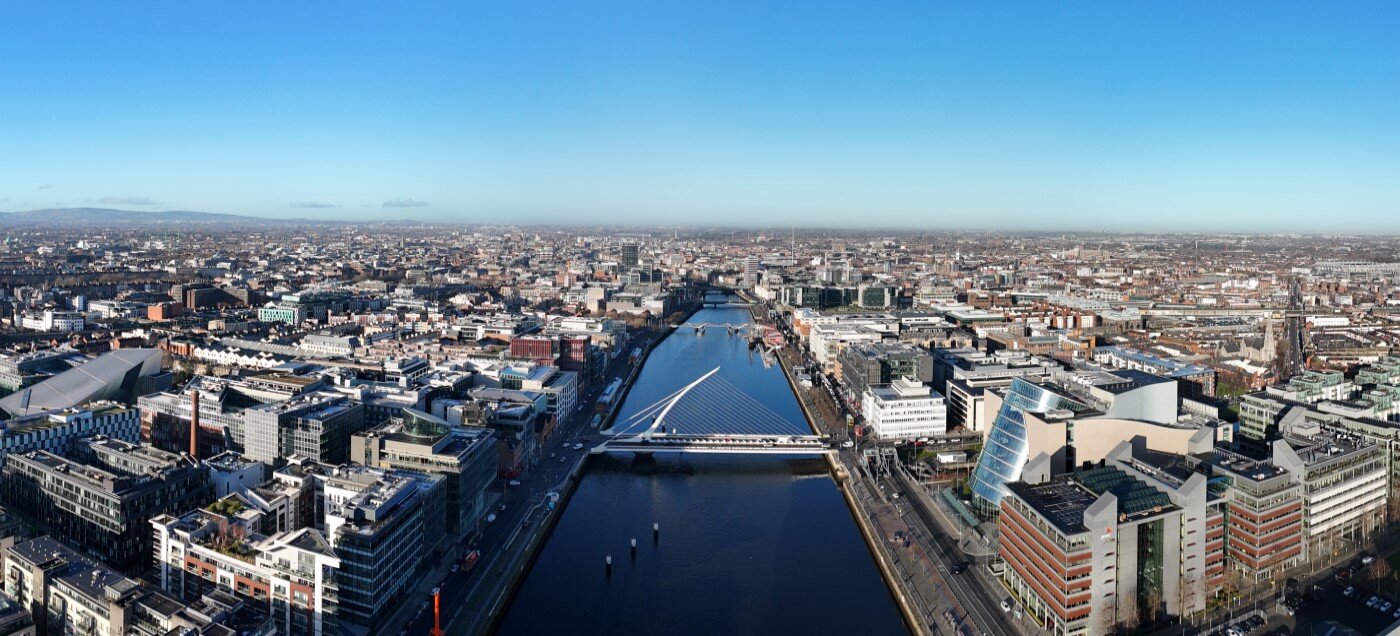
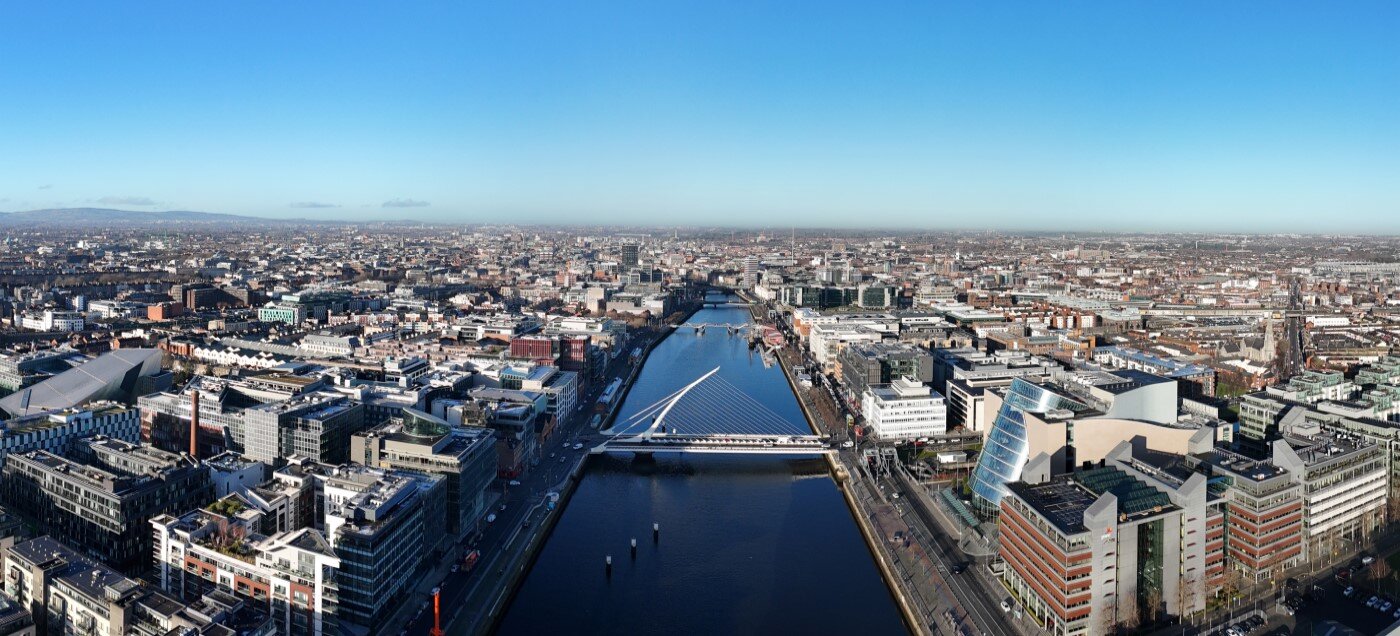
Ireland’s rental market showed signs of cooling in the second quarter, with open-market rents rising at less than one-third the pace recorded in the first three months of 2026. But the slowdown masks a deeper imbalance: rental availability is improving sharply outside Dublin while the capital continues to lose listings.
Market rents rose 1.4% between March and June, according to the latest Daft.ie Rental Report, down from a record 4.4% increase in the first quarter and slightly below the roughly 1.6% average quarterly increase of the past decade.
The deceleration suggests the sharp rent increase at the start of the year may have been a one-time adjustment rather than the beginning of a renewed acceleration. Ronan Lyons, a professor of economics at Trinity College Dublin and author of the report, said the second-quarter figures provide an early indication of how the market is responding to Ireland’s new rent-control system.
Despite the moderation, rents remain far above historical levels. The average market rent for a two-bedroom apartment nationwide reached €2,204 a month, with open-market rents now 42% above pre-Covid levels and 78% higher than a decade ago.
Dublin No Longer the Sole Center of Rental Inflation
The latest figures underscore how Ireland’s housing shortage has increasingly spread beyond the capital.
In the second quarter, market rents were 13.3% higher than a year earlier in Galway city, 11.9% higher in Cork and 10.9% higher in Limerick, compared with a 6.5% increase in Dublin. Waterford was closer to Dublin, with rents rising 5.5% over the year.
The average monthly market rent for a two-bedroom apartment was €2,634 in Dublin, €2,336 in Galway, €2,244 in Limerick, €2,168 in Cork and €1,637 in Waterford.
Outside the major cities, annual rent inflation remained between roughly 9% and 10% across Leinster, Munster and Connacht-Ulster.
The geographic shift is particularly striking. Dublin rents remain about one-quarter above their pre-pandemic level, but rents elsewhere have risen considerably faster. Lyons said rents have increased about 90% in Connacht-Ulster and 75% in Munster over six years, highlighting the increasingly national nature of Ireland’s rental shortage.
Supply Rebound Concentrated Outside Capital
Rental availability has also begun to improve, although the recovery is highly uneven.
Just under 2,400 homes were available to rent nationwide on Aug. 1, about 5% more than a year earlier. But that national gain conceals a sharp divergence between Dublin and the rest of the country.
Dublin’s available rental stock fell 18% year over year to fewer than 1,150 homes, while availability across the rest of Ireland increased by about 40%.
Even with that improvement, the national market remains severely undersupplied. Typical rental availability before the pandemic was more than 4,300 homes at any given time, according to the report.
Lyons said the recent increase in listings should not necessarily be interpreted as a meaningful expansion of the rental stock. Rather, the rebound has largely reversed an earlier delay in listings, while the number of homes newly offered for rent over the past year was effectively unchanged from the previous year.
That leaves Ireland with a rental market in which the pace of price growth is moderating, but the underlying shortage of homes remains acute.
A Structural Shift in Ireland’s Rental Market
The latest data also point to a fundamental change in the relationship between Dublin and the rest of the country.
For much of the 2010s, a two-bedroom apartment in Dublin cost nearly three times the equivalent property in Connacht-Ulster. That premium has now fallen below two times, according to Lyons.
The shift does not mean Dublin has become affordable. Rather, it reflects how rapidly rents have risen elsewhere.
For policymakers, the implication is significant: Ireland’s rental-supply problem can no longer be treated primarily as a Dublin housing crisis. The pressure has become national, with some of the fastest rent inflation now occurring in regional cities and surrounding areas.
“The rental scarcity is a national problem,” Lyons said, arguing that policies intended to increase the supply of market-rental homes need to work outside Dublin as well as in the capital.
For renters, the second-quarter slowdown offers some relief from the extraordinary pace of increases seen at the beginning of the year. But with rents still dramatically above pre-pandemic levels and available homes far below historical norms, Ireland’s rental crisis remains fundamentally a supply problem rather than simply an inflation problem.
Sign Up Free | The WPJ Weekly Newsletter
Relevant real estate news.
Actionable market intelligence.
Right to your inbox every week.
Real Estate Listings Showcase
Please visit:
Our Sponsor
