Employee Hiring, Venture Funding Signal Lab Market Turnaround
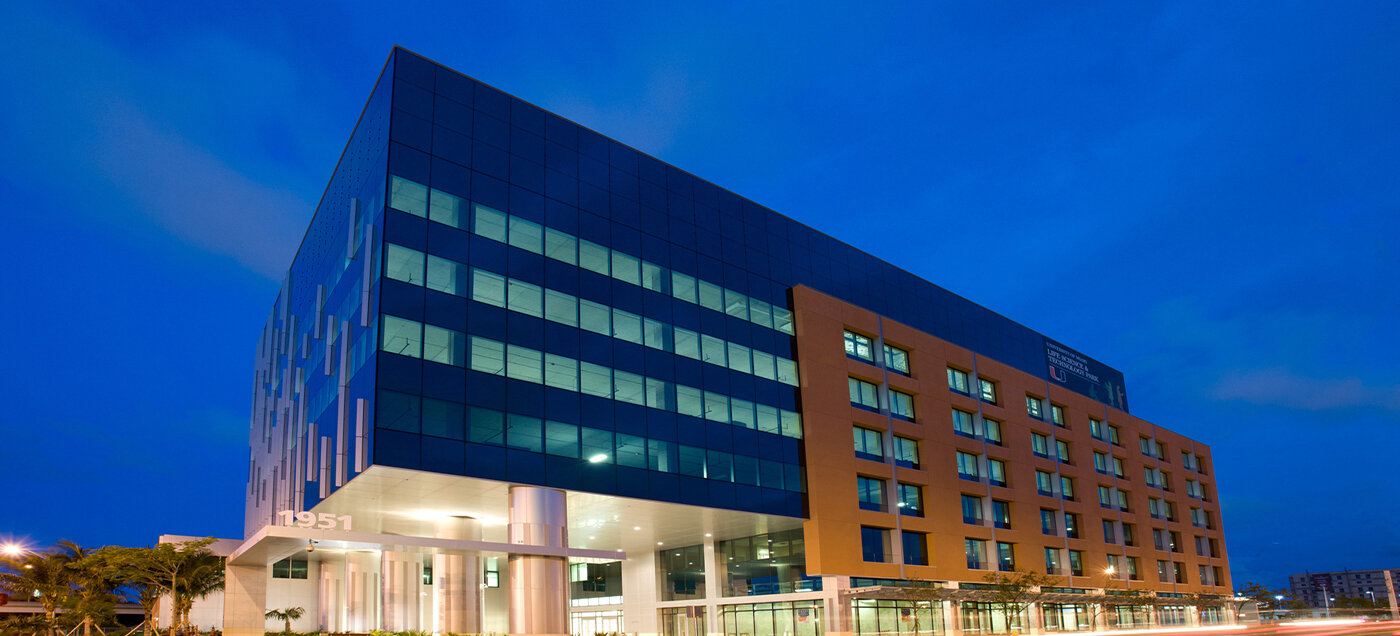
The U.S. life sciences industry is showing early signs of a sustained recovery, providing a potential catalyst for one of commercial real estate’s most challenged sectors as renewed hiring and venture capital investment begin to restore demand for laboratory space, according to a new report from CBRE.
The report, 6 Life Sciences Talent Trends Driving Property Demand, points to accelerating employment growth across biotechnology research and development and pharmaceutical manufacturing, alongside a sharp rebound in venture capital funding, as evidence that the industry’s post-pandemic correction may be entering a new phase.
Employment in biotechnology R&D and pharmaceutical and medicine manufacturing expanded 1.7% year-over-year through April, marking the strongest pace of growth in nearly three years. Several major U.S. markets–including Chicago, Philadelphia, Los Angeles and New York City–reached record employment levels in those industries last year and have continued adding jobs in 2026.
At the same time, venture capital is flowing back into the sector after two years of retrenchment. U.S. life sciences venture funding climbed 33% during the first half of 2026 compared with the same period a year earlier, reversing declines experienced in 2022 and 2023. San Francisco, Miami-Fort Lauderdale, Austin, Pittsburgh, Houston and Chicago posted some of the largest increases in life sciences investment between 2024 and 2025.
The improving fundamentals are beginning to reshape the competitive landscape among U.S. life sciences hubs. Boston retained its position as the nation’s leading market for life sciences research and development, followed by San Francisco, Washington, D.C., and the New York-New Jersey region. Raleigh-Durham advanced to fifth place, while Denver-Boulder, Madison, Wisconsin, Dallas-Fort Worth and Minneapolis-St. Paul each climbed one position in CBRE’s annual rankings.
“The combination of expanding employment and renewed venture-capital investment provides an encouraging foundation for future demand for laboratory space,” Ian Anderson, CBRE’s Director of Research and Analysis, said in the report. While the sector continues to face elevated vacancy levels and the ongoing integration of artificial intelligence into research and development, he said the industry’s underlying growth drivers are strengthening.
The recovery comes after an unprecedented wave of laboratory construction during and immediately following the COVID-19 pandemic left many markets oversupplied as funding conditions deteriorated. Vacancy across the nation’s 13 largest life sciences markets averaged 23.2% during the first quarter of 2026, only slightly below the record 23.3% reached in the third quarter of last year.
CBRE expects renewed expansion by biotechnology and pharmaceutical companies, together with demand from adjacent industries such as advanced manufacturing, clean energy and deep technology, to gradually absorb excess laboratory inventory over time.
Now in its fifth year, CBRE’s annual life sciences rankings evaluate U.S. markets based on workforce scale and concentration, the availability of life sciences graduates and PhDs, and the depth of each region’s broader scientific and technical workforce.

Sign Up Free | The WPJ Weekly Newsletter
Relevant real estate news.
Actionable market intelligence.
Right to your inbox every week.
Real Estate Listings Showcase
Please visit:
Our Sponsor
