Miami is the Nation’s Strongest Buyer’s Market in Mid-2026
Property broker Redfin reports the U.S. housing market is tilting further toward buyers, but not because Americans are suddenly being flooded with homes they can afford.
Instead, the market is being reshaped by a more consequential force: the buyers themselves are disappearing.
The number of U.S. homebuyers fell to an estimated 966,752 in July 2026, the lowest level on record, according to Redfin. Buyer demand declined 2.5% from June, while the number of sellers fell just 0.3% to 1,462,921.
The resulting imbalance was striking. Sellers outnumbered buyers by 51.3%, approaching the December record of 51.8% and widening substantially from 47.9% in June.
The data point to a housing market increasingly defined not by an overwhelming wave of new supply, but by a severe contraction in demand.
“Buyers are dropping out faster than sellers, giving the buyers who remain more options and more negotiating power,” said Asad Khan, a senior economist at Redfin. “At the same time, uncertainty around whether the Fed will hike rates–and this summer’s rising mortgage rates–are keeping many would-be buyers on the sidelines. That makes the stretch between now and Labor Day a potential sweet spot for people who need to move: Buyers have leverage, while motivated sellers may be willing to negotiate before the early-fall rush brings some buyers back to the market. This could be the best chance for buyers and sellers to meet in the middle.”
That creates an important paradox. The housing market is becoming more favorable to buyers at the same time that buying a home remains prohibitively expensive for many Americans.
High home prices, elevated mortgage rates and broader economic uncertainty are keeping prospective purchasers on the sidelines. The buyers who remain, however, are encountering a market with substantially less competition.
Redfin defines a buyer’s market as one in which sellers outnumber buyers by more than 10%. A market in which the difference between buyers and sellers is within 10% is considered balanced, while a market with more than 10% fewer sellers than buyers is classified as a seller’s market.
Miami Leads a Broad Shift Toward Buyers
The imbalance is particularly pronounced across major U.S. metropolitan areas.
Redfin analyzed the 50 most populous U.S. metros and excluded Fort Lauderdale because of insufficient data, leaving 49 markets in its analysis. Of those, 39–nearly 80%–were buyer’s markets in July.
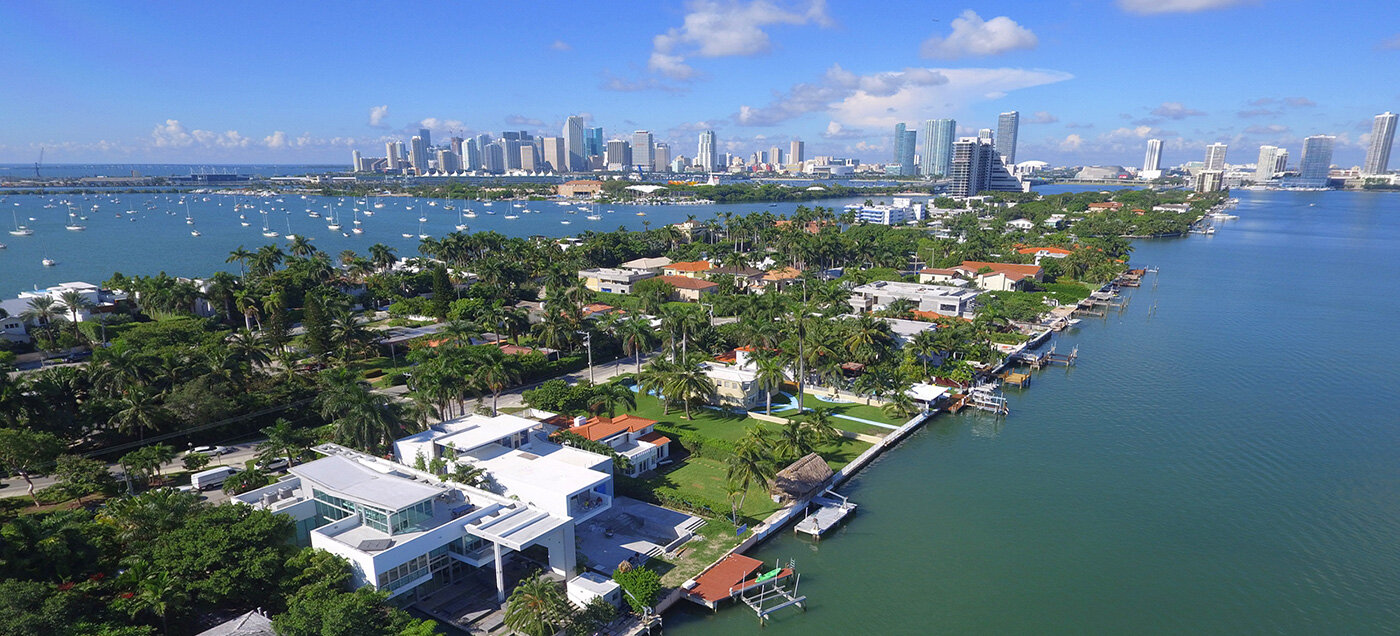
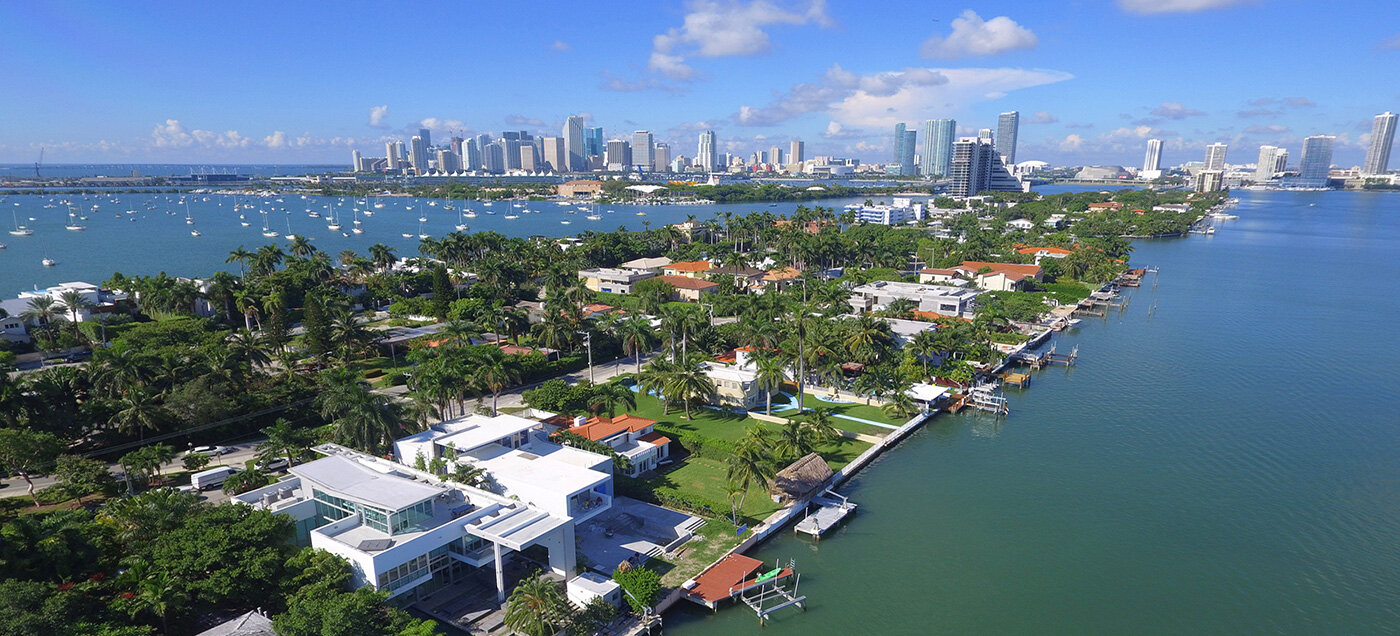
Miami was the nation’s strongest buyer’s market, with an estimated 154% more sellers than buyers. Nashville followed at 151%, Houston at 130%, San Antonio at 116% and Austin at 112%.
The concentration of the strongest buyer’s markets in the Sun Belt reflects a combination of affordability pressures and housing supply.
Miami and Nashville experienced substantial construction and investor activity during the pandemic-era housing boom. That inventory is now meeting a buyer pool that has become increasingly constrained by the cost of purchasing and owning a home.
Miami faces additional pressures. Rising insurance costs, higher HOA fees and concerns about climate risks have added to the cost of ownership on top of already-high housing prices.
Texas presents a different version of the same dynamic. Houston, San Antonio and Austin have some of the nation’s most active homebuilding pipelines. New-construction inventory continues to compete for buyers even as higher mortgage costs constrain demand.
The result is a market in which sellers have less ability to dictate price and terms.
Buyer Leverage Is Widening Across the Country
The July data show that the shift is not confined to a few overheated markets.
The seller surplus increased in 34 of the 39 buyer’s markets between June and July. Miami experienced the largest increase, with its seller surplus rising from 134% to 154%.
Seattle followed, with sellers outnumbering buyers by 65%, compared with 46% in June. Fort Worth reached 86%, up from 67%.
Nashville’s seller surplus increased from 135% to 151%, while Houston’s rose from 114% to 130%.
Only five buyer’s markets–West Palm Beach, San Antonio, Pittsburgh, Virginia Beach and Dallas–saw the seller surplus narrow during the month.
The broadening imbalance gives buyers more room to negotiate, particularly in markets where listings remain available for extended periods.
The Market Is Not Uniform
Despite the national shift, six of the 49 metros analyzed by Redfin remained seller’s markets in July.
Nassau County, New York, was the strongest, with 36% fewer sellers than buyers. The other seller’s markets were Newark, New Jersey, Providence, Rhode Island, Milwaukee, New Brunswick, New Jersey, and Montgomery County, Pennsylvania.
These markets generally have a different structural problem: limited new-home construction.
The greater New York area, for example, has faced persistent constraints on housing development while benefiting from proximity to a major employment center. Milwaukee’s relative affordability also supports housing demand.
The difference is reflected in prices. Home-sale prices rose an average 4.2% year over year across the six seller’s markets in July, compared with a 2.3% increase across the 39 buyer’s markets.
Affordability, Not Inventory, Is the Central Problem
The July numbers make clear that calling the current environment simply a “buyer’s market” can be misleading.
For households that can afford today’s mortgage payments, property taxes, insurance and other ownership costs, negotiating conditions have improved dramatically.
For millions of other would-be buyers, the market may offer more choice without offering genuine affordability.
That distinction is critical.
Redfin’s July housing data show that the number of active buyers has fallen to a record low even as the number of sellers remains substantial. The result is a growing pool of properties competing for a shrinking pool of qualified purchasers.
Meanwhile, separate Redfin data show that total homes for sale fell only 0.3% in July to 1.46 million, while new listings declined 0.1%. That suggests the market’s central problem is not a sudden explosion in supply. Rather, homes are accumulating because demand is too weak to absorb them quickly.
That is a very different dynamic from the housing market of the pandemic years, when buyers competed aggressively for scarce listings.
The Pandemic-Era Housing Market Has Been Reversed
During the pandemic boom, buyers routinely confronted multiple offers, rapidly rising prices and little negotiating leverage.
The market now looks increasingly like the inverse.
Buyers can often take their time. Sellers are more likely to negotiate. New construction is competing directly with existing homes in several major markets. And the buyer who remains in the market may have alternatives that were unavailable several years ago.
Yet the reversal has not produced a broad-based housing correction.
Instead, the market is showing signs of stagnation: prices remain elevated, borrowing costs remain burdensome and transaction volumes remain weak.
That helps explain why both sides of the market can feel constrained at the same time.
Homeowners with attractive older mortgage rates may be reluctant to sell. Prospective buyers facing today’s rates may be reluctant to purchase. And sellers who do list may find themselves competing for a limited number of financially qualified buyers.
The result is a market with more negotiating power for those who can transact, but fewer people able or willing to do so.
A Window of Opportunity for Buyers
For buyers who have the financial capacity and a genuine need to move, the current environment may represent an unusual window of opportunity.
The period leading into Labor Day could give motivated purchasers leverage before a potential seasonal pickup in demand later in the year.
But the broader significance of the July data goes beyond the next few weeks.
The U.S. housing market is undergoing a structural rebalancing in which demand has weakened faster than supply.
That is why sellers can outnumber buyers by more than 50% nationally even though the country is not experiencing a record flood of new listings.
The housing market’s central question is therefore no longer simply whether there are enough homes.
It is whether enough Americans can afford to buy them.
For now, the answer is increasingly reflected in the numbers: there are fewer buyers, more negotiating power for those who remain, and a growing divide between markets where housing is scarce and markets where sellers are competing for demand.


Sign Up Free | The WPJ Weekly Newsletter
Relevant real estate news.
Actionable market intelligence.
Right to your inbox every week.
Real Estate Listings Showcase
Please visit:
Our Sponsor
