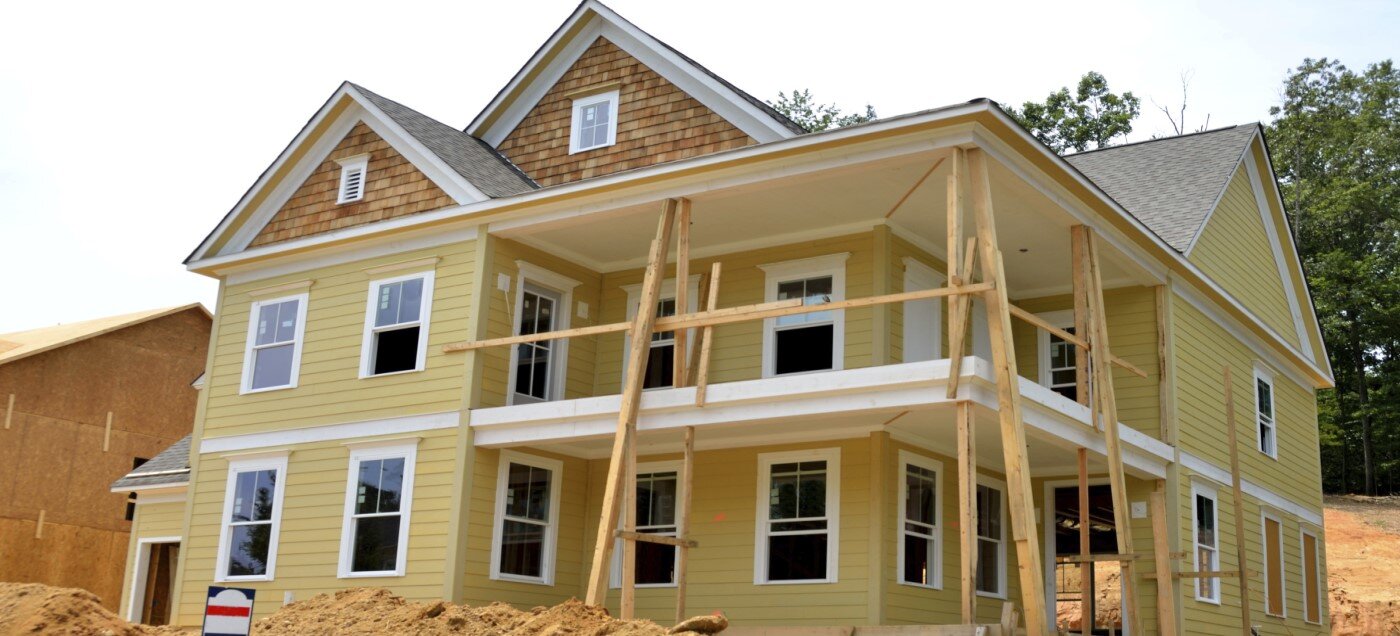
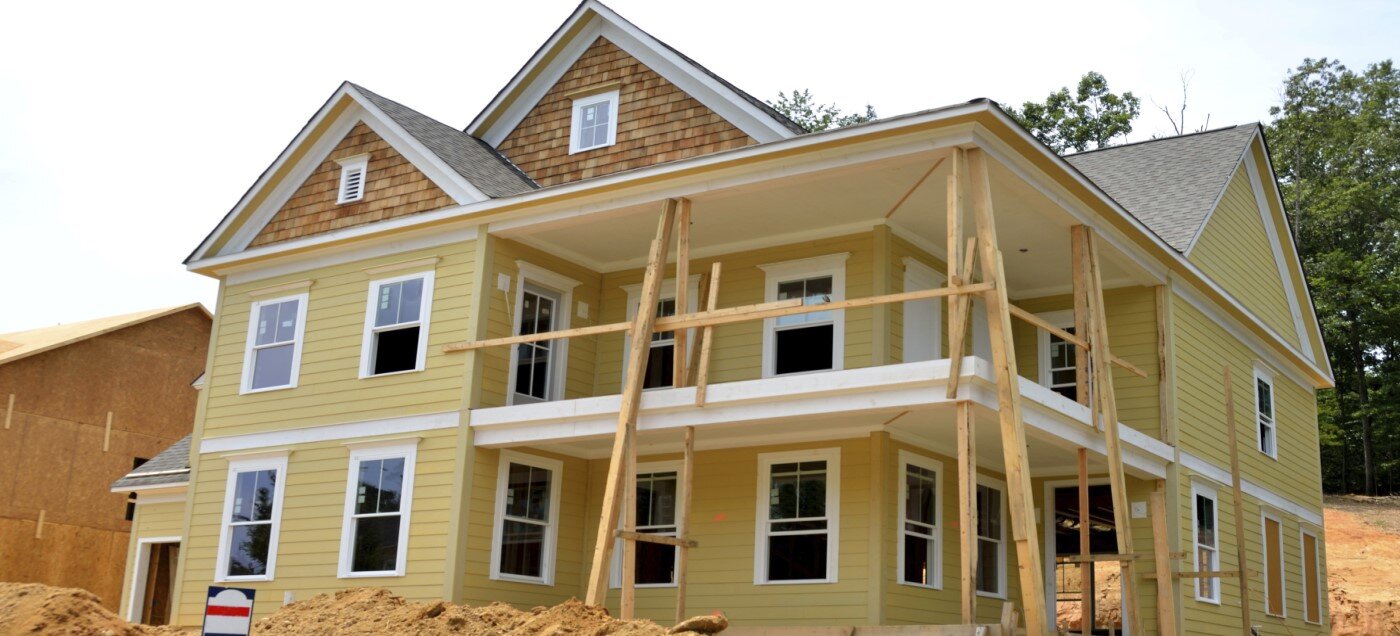
Newly built homes are selling for less per square foot than existing properties across much of the U.S., a reversal that is reshaping the affordability equation for buyers and giving builders more leverage to compete on price.
The median price of a newly built home was $205 a square foot nationally as of July, compared with $212 for existing homes, according to a Zillow analysis. New homes are now priced below existing properties in roughly one-third of major U.S. markets, with the largest discounts concentrated in Sun Belt cities where construction has expanded rapidly.
Austin, Raleigh and Tampa had some of the widest gaps. New homes sold for 19.3% less per square foot than existing homes in Austin, 14.4% less in Raleigh and 12.4% less in Tampa. By contrast, new construction carried substantial premiums in markets where development is constrained, including New York, Cleveland, Milwaukee and Detroit.
The shift marks a significant change from the years following the pandemic. New homes sold for more per square foot than existing homes in 77 of 84 months between 2018 and 2024, with the premium reaching $25 per square foot in November 2022. New construction has instead been priced below existing homes in 17 of the past 19 months, according to Zillow.
Builders are confronting a growing supply of completed and available homes and have increasingly used price reductions and incentives to attract buyers. The Census Bureau estimated the supply of new homes at 9.6 months in July, up from 7.6 months two years earlier and roughly six months in July 2018 and 2019.
Resale inventory has followed a different path. Existing-home inventory remained 17.1% below its pre-pandemic level in August, Zillow said, limiting competition among sellers. Many homeowners also hold substantial equity and mortgages obtained when rates were near historic lows, reducing the financial pressure to sell.
“New homes are the overlooked opportunity more buyers should be thinking about. Buyers who assume new homes are out of their price range may be surprised at what they find,” said Kara Ng, senior economist at Zillow. “Where the most new homes have been built, buyers are in the best position to negotiate as sellers have a lot of other homes on the market to compete with. We often preach letting America build its way out of the affordability crisis, and these friendlier conditions are the payoff.”
New construction accounted for 12.6% of U.S. home sales during the 12 months through July, roughly matching its 2019 share after reaching 16.7% in 2023. The contribution varies sharply by market: New homes represented 37.1% of sales in San Antonio and 33.6% in Raleigh, compared with just 2% in Hartford.
The figures underscore the importance of housing supply in determining affordability. Markets that added large amounts of new housing have generally given buyers more choice and increased competition among sellers, while supply-constrained markets continue to command significant premiums for newly built homes.
But the supply gains face a potential obstacle: New-home permitting has slowed, raising questions about whether the recent affordability benefits in high-construction markets can continue if the pace of building declines.
Sign Up Free | The WPJ Weekly Newsletter
Relevant real estate news.
Actionable market intelligence.
Right to your inbox every week.
Real Estate Listings Showcase
Please visit:
Our Sponsor
